Creative Direction
Guiding the look and feel before anyone opens Canva — and how it works when the direction and the design sit with two different people.
Creative direction is all about guiding the overall look, feel, and message of a brand, campaign, or project. It ensures that everything produced aligns with the intended vision, shaping how a concept is expressed visually and emotionally across different mediums.
A creative director (or someone acting in this role) is responsible for:
- Defining the vision - deciding the mood, personality, and story the brand or project should communicate.
- Establishing consistency - making sure design, imagery, tone of voice, and messaging all feel cohesive.
- Guiding execution - translating strategy into creative outputs like logos, photography styles, layouts, videos, or campaigns.
- Making judgment calls - determining what fits the brand identity and what doesn’t.
- Bringing an artistic vision - infusing the work with a distinctive, creative flair that elevates the campaign beyond standard design.
In short, creative direction is the bridge between strategy and execution. Strategy defines the why and the who, while creative direction defines how it should look and feel.
How It Differs from a Design Brief
A design brief outlines the project goals, deliverables, and target audience. Creative direction, on the other hand, comes from research and inspiration - it defines the visual vibe, colours, themes, and overall mood.
For example, here at our agency Amanda is usually the Creative Director. She handles the initial research and concepting, which often results in a mood-board filled with imagery and specific ideas for the design. She’s also the one connected directly with the client — understanding what they want, and developing the design brief from it.
That doesn’t mean Eleanor can’t bring their own flavour as the designer. Creative direction is how we collaborate effectively.

Amanda
Creative Director
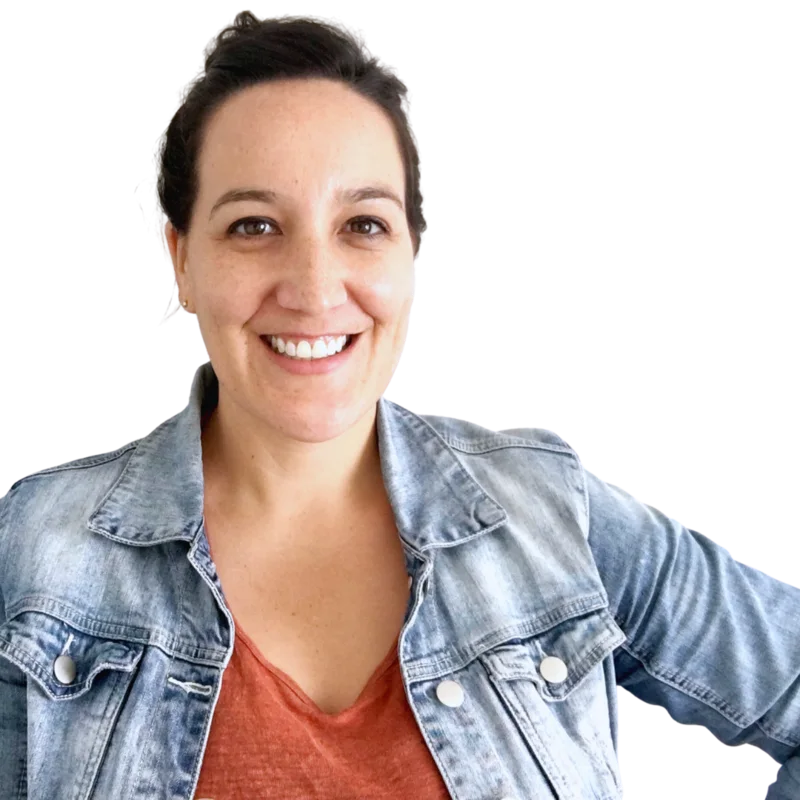
Eleanor
Designer
Creative direction can turn a simple design into a piece of art, and it’s worth thinking about even if you’re hands-on with the design process as well.
Tips for marketers wearing both hats: Creative Director & Graphic Designer
- Try to think big picture first and focus on overall style, mood, colour palette, and hierarchy before getting caught up in fine details.
- Lean into your design process which includes research (with boards in Pinterest) and mood-boarding (more on that next!)
- Keep your brand consistent by aligning fonts, colours, and visual tone across all pieces.
- Don’t be scared to try bold ideas because every design is a chance to learn and improve.
- Seek feedback from colleagues, friends, or stakeholders to get fresh perspectives on your work.
Tips for marketers as Creative Director (working with a Graphic Designer)
- Think of yourself as guiding the overall vibe, not micromanaging every pixel.
- A solid eye for design comes with experience. If you don’t have it yet, don’t force every decision - you might frustrate your designer and limit the final outcome.
- Give designers direction, but allow them to push back. There’s always a reason for their choices - some things are technical, others are time-sensitive, or simply outside the scope.
- Remember: collaboration usually produces stronger results than trying to control every detail.
We get into mood-boarding next, so you can see what creative direction looks like in practice.